Earning trust3 min read
Customers won't pay for what they don't trust
Before adding features, answer the doubt that stops someone from paying you.
By Bernard Tay, Product Engineer ·
The problem
Many products are sold into markets where people have been let down before. Your customer is not only comparing you with a competitor. They are comparing you with the risk of getting it wrong, and with the option of doing nothing.
Finding a tutor in Ghana is a clear example. A parent could ask around a WhatsApp group and get back a list of phone numbers. There was no way to check who could actually teach, no record of how they had done with other families, and no way to know it was working until exam results arrived.
Notice where the doubt sits. It is not “is this app easy to use?” It is “will this person be good for my child, and how would I know?” A nicer screen does not answer that. The product has to.
Signs you have this problem
- People ask for references, a call or a discount before they will pay.
- Interest is high, but many go quiet at the payment step.
- Your best sales happen only when you personally reassure someone.
- Customers keep checking in because they cannot see what is happening.
What it costs
Missing trust is easy to mistake for a marketing problem, so the budget goes to the wrong place.
- You pay to bring in people who leave at the moment of decision.
- Growth is limited by how much personal reassurance you can give.
- One bad experience, with no record to explain it, can undo many good ones.
- Prices get pushed down, because a discount is your only way to reduce the risk.
How I approach it
With Tuta, I treated trust as something to design and build, at the moments where a parent's doubt is strongest.
- Before the first lessonTutors pass credential checks and a readiness programme before they can be placed with any family. Checking after complaints would be too late.
- While the work happensEvery session is logged, so there is a record of what was taught and when.
- After each sessionProgress insights show parents whether it is working, without waiting for a report card.
- At paymentPayment status is confirmed by the payment provider, so a dropped connection does not leave the records wrong.
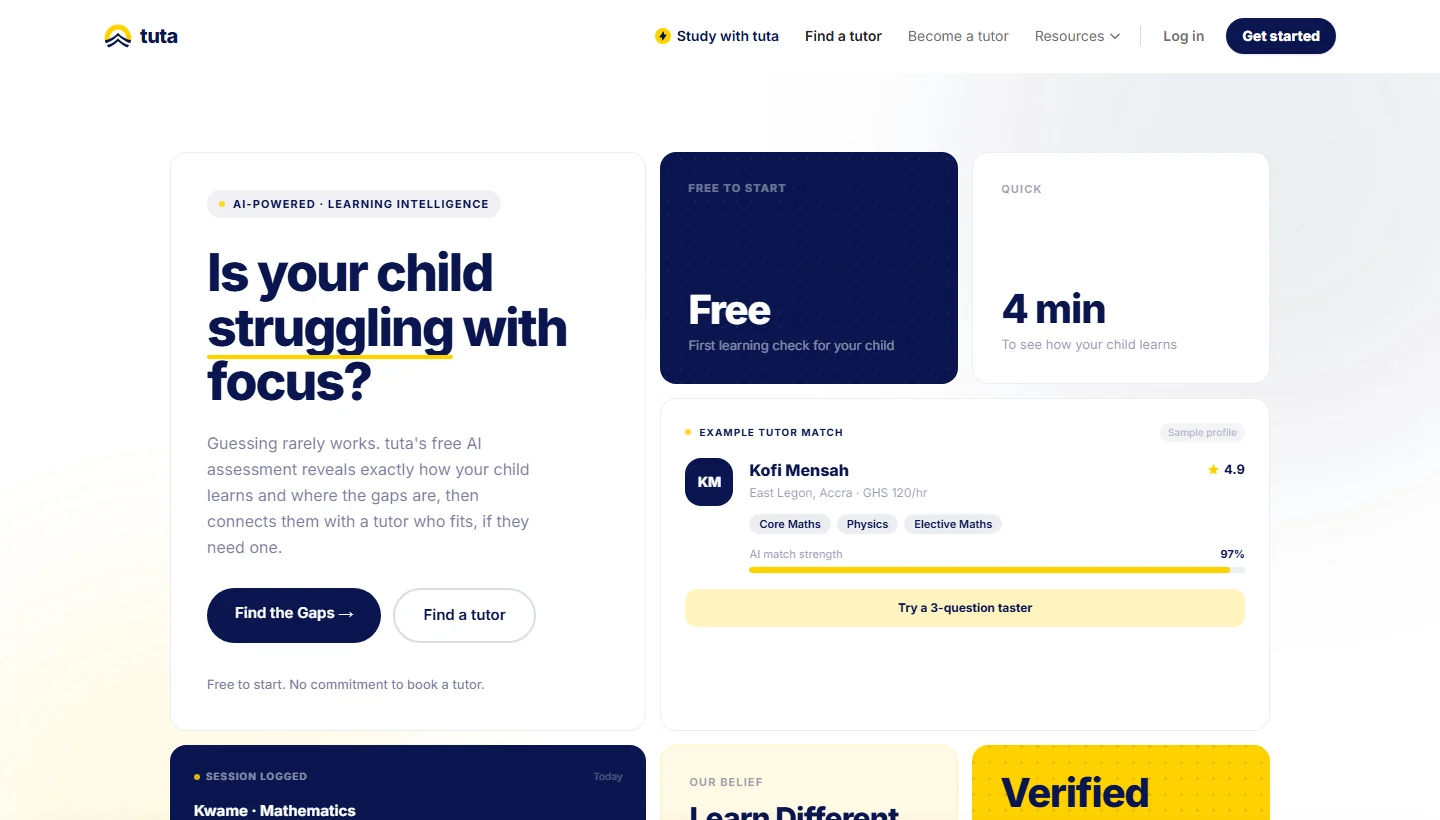 The project behind thisTuta
What you can do this week
- 1Write down the doubtsAsk your last five customers, and a few people who did not buy, what nearly stopped them.
- 2Move one proof earlierTake something you only show after payment, such as a check, a sample or a record, and show it before.
- 3Make progress visibleGive customers one place to see what has happened and what comes next.
- 4Decide what you will refuseA quality check only means something if some applicants, suppliers or listings do not pass it.
Write down the question your customer is too polite to ask. Then change the product so it is answered before they reach the payment button.
Check your own business
Would a stranger trust you today?
Tick everything that is true today.
Talk it through with me